Home to the National Hub Agency… Accelerator ‘Finleap’ plays a central role in Berlin’s Fintech scene
Berlin currently hosts 5,052 startups, 1,052 investors, 80 accelerators, and 485 established corporations. As a hub city for IoT (Internet of Things) and Fintech in Germany, and the most active startup ecosystem in Europe, it is becoming a global capital of innovation. While London, which led the European startup scene for years, has slowed down due to Brexit, Berlin has established a dominant position.
![[European Startup Chronicles] Berlin’s Startup Ecosystem ①](/posts/berlin-startup-ecosystem-1/image1.jpg)
Digital Hubs in Germany leading the efficient introduction of AI and digitalization technologies for SMEs. There are 12 Digital Hubs across Germany. Photo: de:hub Homepage
Berlin Startups’ Key Industries: Fintech, AI, and Big Data
As digital-related companies and startups emerged, Germany’s appeal as a digital industrial nation increased. However, internal criticism grew regarding the slow pace of digitalization. In response, the German Federal Ministry for Economic Affairs and Energy recognized the need for national support and established specialized Digital Hubs (de:hub) in 12 regions in 2017, each focusing on different industries.
Germany’s Digital Hubs do not concentrate on a single area like Silicon Valley. Instead, they foster specialized industries by region and lead SMEs—which have traditionally supported the German economy—to efficiently adopt AI and digitalization technologies. This supports the formation of organic partnerships between large corporations, SMEs, and startups.
The National Hub Agency, which oversees and coordinates these nationwide digital hubs, is located in Berlin. Simultaneously, Berlin has been designated as a Fintech and IoT hub, emerging as the center of German startups.
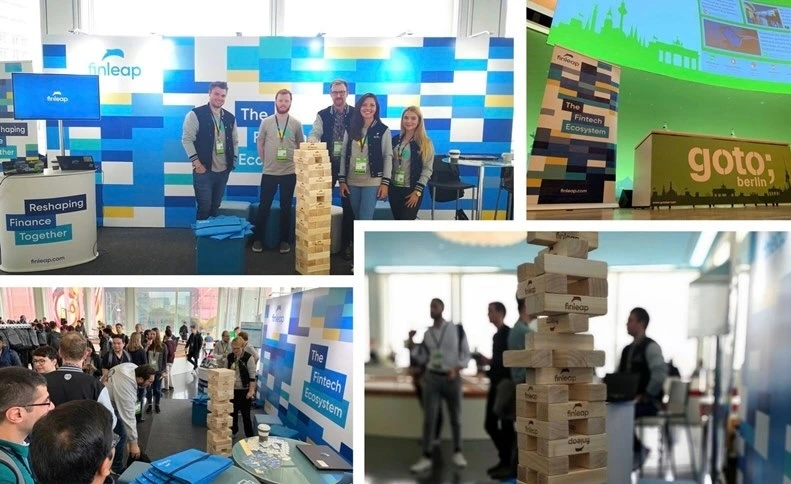
Accelerator ‘Finleap’ at the heart of Berlin’s Fintech scene. Photo: Finleap Facebook
At the heart of Berlin’s Fintech scene is Finleap, a Fintech-specialized accelerator and venture capital (VC) firm. Finleap received significant investment from Japan’s SBI Group, and its portfolio companies have received substantial support from Chinese capital. Finleap operates H:32, a large co-working space for startups, and is famous for investing in B2B-focused financial startups. Companies like Solarisbank, which provides white-label services via banking licenses to non-financial institutions; Penta, a digital banking service for business accounts; and Insurtech startups Clark and Element are all thriving with investment from Finleap.
The Berlin IoT Hub network centers around Code University of Applied Sciences within Factory Berlin, Next Big Thing AG (a specialized venture studio), Motion Lab (a hardware innovation hub), BuildingMinds (a Schindler Group startup and Microsoft partner), Team Neusta (providing IoT software solutions), HTW Berlin (University of Applied Sciences), and Berlin Partner (an agency under the Berlin Senate Department for Economics).
Unicorn Companies in Berlin
A unicorn company refers to a privately held startup valued at over $1 billion and founded within the last 10 years. Unicorns hailing from Berlin include Auto 1 (an online used car trading platform), N26 (a digital banking service), Delivery Hero (famous for acquiring Korea’s ‘Woowa Brothers’), Omio (a travel and transportation info platform), HelloFresh (a meal kit service), Sumup (a contactless card payment service), Zalando (an online fashion mall), WeFox (an Insurtech startup), and GetYourGuide (a travel startup).
Promising Startups in Berlin
The startup-focused media outlet eu-startups.com announced a list of notable German startups to watch in 2021. Many of these are based in Berlin.
First, Vivid (vivid money GmbH), which provides digital banking services, is a latecomer compared to the unicorn N26, but it is attracting significant attention for its distinct services. They entered the European market based on the success of Russia’s Tinkoff Bank, the world’s largest online bank. A key feature is the simplification of managing bank accounts, stocks, and cryptocurrencies within a single app, where users can receive up to 25% cashback on payments to reinvest.
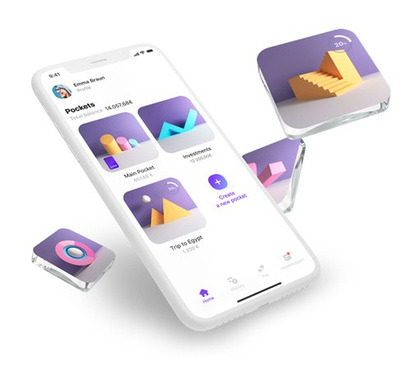
Vivid Money app allows users to manage bank accounts, stocks, and cryptocurrencies simultaneously, with up to 25% cashback. Photo: Vivid Homepage
Gorillas was founded in 2020 and became a sensation by receiving €245 million in investment less than a year later. Often compared to Coupang, this startup started with the idea of delivering groceries like fresh fruit and dairy within 10 minutes of ordering. It is currently operating and receiving positive responses in 11 German cities, including Berlin, 6 Dutch cities including Amsterdam, and in London and Paris.
Other notable startups include Sharpist (providing remote coaching solutions for teams), Bryter (supporting professionals like lawyers and accountants in building digital applications), Choco (an ordering platform connecting food suppliers and restaurants), and Back (a program supporting various operations like HR, IT, and finance).
Observing the business models of these unicorns and the promising startups following closely behind, one can truly feel the city’s dynamism. From daily life services to tech-based startups and B2B ideas for major corporations, the imagination and innovation seem endless. Next week, I will share the story of the Berlin startup investor ecosystem that supports them.
Eunseo Yi eunseo.yi@123factory.de
This article is an edited and adapted version of [European Startup Chronicles] from Biz Korea.